How to Brief a Video Production Company
A GUIDE FOR BUYERS | BY PALOK SINGH, FOUNDER, THE QURIOUS STUDIO
The cost of your film comes from your brief.
Every film starts with a brief. And most briefs are thinner than they should be.
That is not a criticism. Briefing a film is hard when you have never done it, and most people are not sure what a studio needs to know. But it is the first thing we tell every client: a studio can only price, plan and shape what it understands. So the better the brief, the better the film, and the fairer the quote.
Here is how to brief a video production company well.
WHY IT MATTERS
Why the brief matters more than anything else
When you brief a studio, you are briefing complete strangers. We do not know your business, your market or your people. We need to understand what you do and the purpose behind it before we can see where you are coming from.
That is why we always encourage clients to give as much detail as they can. Something that looks irrelevant to you may be exactly what helps us understand the project. Please do not filter too much.
WHAT TO INCLUDE
What a good brief covers
Whenever a client reaches out, these are the questions we want answered:
What we ask | What it tells us |
Why do you need this film? | The reason the film exists |
What are you trying to say? | The core message |
What is the occasion and purpose? | The agenda behind the film |
Where will it be played? | The place and format it has to work in |
Who is the audience? | The language and style of communication |
What should the film achieve? | What success looks like |
Together, these decide the style of the film and the language it speaks. Only then can we tell how much effort the film needs, and what it will cost.
WE WILL HELP
Not sure how to brief? We will help
Many clients get stuck on this, and that is fine. So we have built a simple questionnaire for every new enquiry. The questions are plain why, what, when and where questions about your business and your project, and most people find them easy to answer.
Answer as fully as you can. If you have a brochure, a presentation or any background material, attach it as well. It all helps us gauge the depth and scope of the project.

One gentle point: a deck, or a summary generated by an AI tool, is a useful attachment, but it is not a replacement for answering the questions. We still need to hear, in your words, why the film is needed and who it is for.
BUDGET
Share your budget, or at least a range
We know it can feel uncomfortable. But sharing your budget helps both sides, for three reasons.
It shows if vision and budget match | It shows how far we can go | A range is enough |
People often form impressions of what things cost from what they see around them. Many believe animation is easy and cheap to make. It is usually the opposite: animation can be very cost heavy, and a film built around live action footage is often far more cost effective. Knowing your budget lets us say so early. | We would love to shoot every film on a cinema-line camera with a crew of 20, but that is not what every project needs. The same message can be made in ten different ways, at ten different scales of production. Your budget tells us which one is realistic. | If you do not have a fixed number, a cost bracket works well. For a fuller picture of what drives price, read our guide to what corporate video production costs in Delhi NCR. |
REFERENCES
Share references, but not to copy
Reference videos are one of the best tools a client has. If you find it hard to put your expectations into words, it is often easier to show us what you like.
A reference is for | A reference is not for |
Communicating your expectations | Replicating a certain style or video type |
Sharing your understanding of what you want | Copying a film that worked for another client and brief |
Showing what is hard to put into words | Setting the language of your film, which should come from your own brief |
A film that worked for one project, one client and one brief may not work the same way for yours. The style and language of your film should come from your own brief, and that is the part we love customising.
THE BRIEFING
Who should be in the briefing?
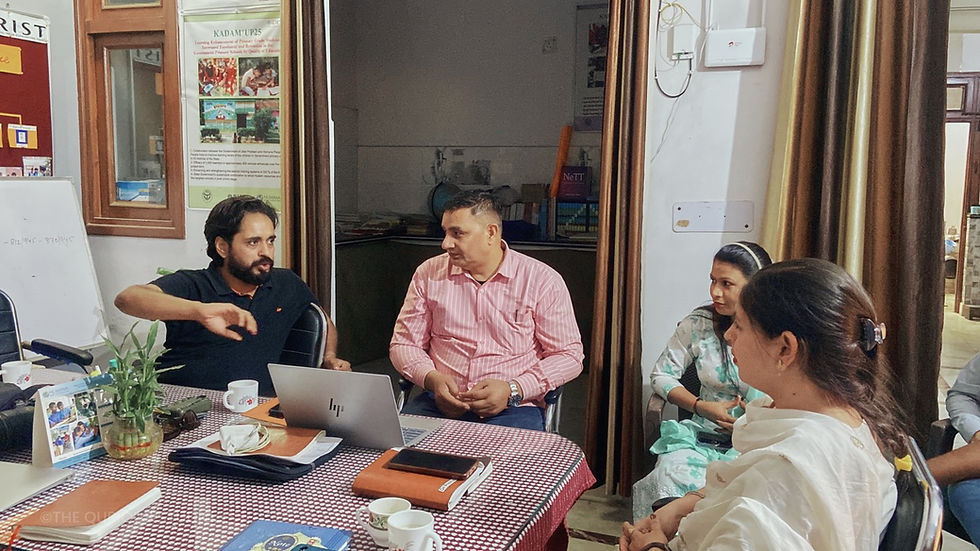
You do not need the final decision-maker in every briefing conversation. What you need is someone with a thorough understanding of the project, who can walk us through its scope and details.
Who | What they bring |
The person closest to the project | The scope, the technical details and the finer points |
The marketing head or decision-maker | The intent behind the film and what it needs to achieve |

Details come from the person closest to the project, and the intent comes from the person who set it in motion. Together they give us the full picture.
BEFORE YOU SEND YOUR BRIEF A quick checklist ☐ Have I explained why this film is needed? ☐ Do I know what I want to say and who needs to hear it? ☐ Have I said where and how the film will be shown? ☐ Have I shared a budget, or at least a range? ☐ Have I attached background material and references (to explain, not to copy)? ☐ Is the person who knows the project best involved? |
FREQUENTLY ASKED QUESTIONS
Frequently asked questions about briefing a video production company
How do I brief a video production company?
Explain why you need the film, what you want to say, the occasion and purpose, where it will be shown, who the audience is and what it should achieve. Add your budget or a range, and attach any background material.
What should a video production brief include?
The purpose of the film, the message, the audience, the place it will be played, the outcome you expect, your budget range and any references or documents that help explain the project.
Should I include my budget in the brief?
Yes. It shows whether your vision and budget match, and it helps the studio decide the right scale of production. If you do not have a fixed figure, share a range.
Can I send a reference video?
Yes, to explain your expectations, not to copy. A reference that worked for another brief may not work for yours.
Who should attend the briefing?
Someone who understands the project thoroughly. The decision-maker does not have to be in every conversation, but their intent behind the film should be shared.
Is animation cheaper than live action?
Not usually. Animation can be very cost heavy, and a film built around live action footage is often more cost effective.
RELATED READING
READY TO BRIEF US?
Tell us why the film needs to exist.
If you are planning a corporate film or a documentary, tell us why you want to make it and what it needs to do. We will share our short questionnaire and tell you honestly whether we are the right fit.
Or write to hello@thequriousstudio.com
The Qurious Studio is a corporate and documentary film production company in Delhi NCR.

Comments